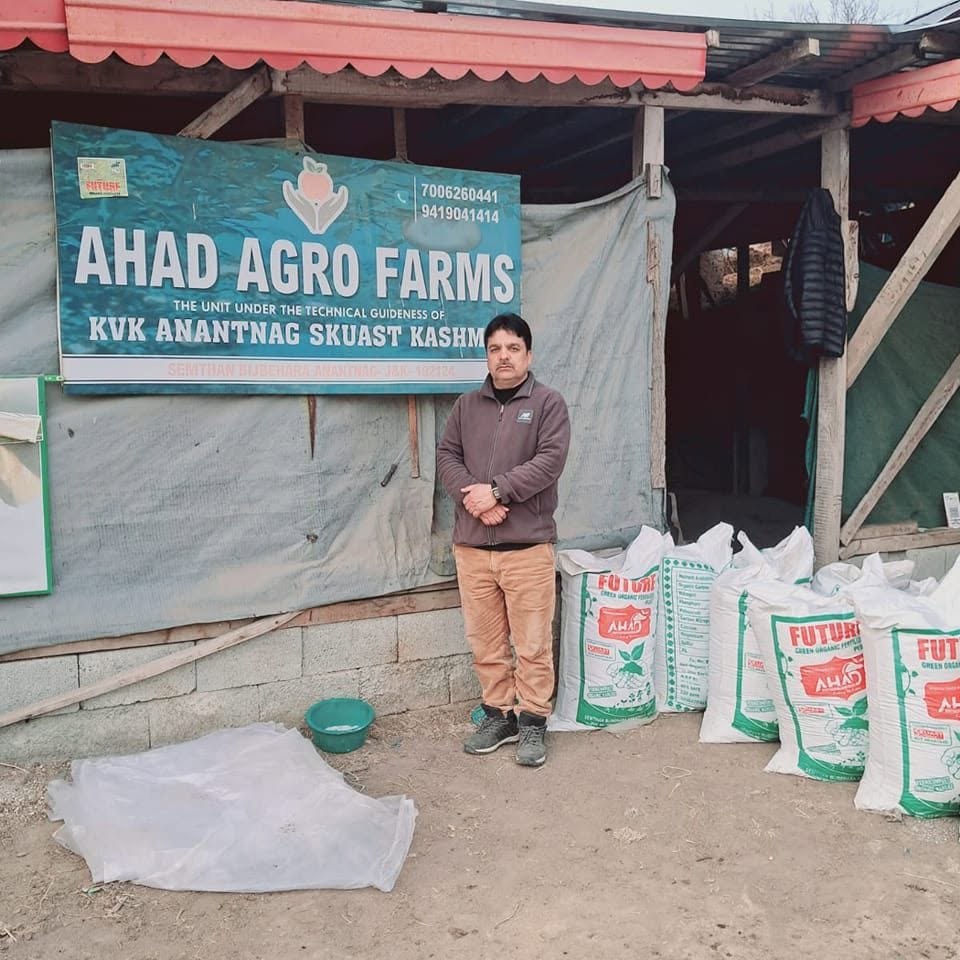
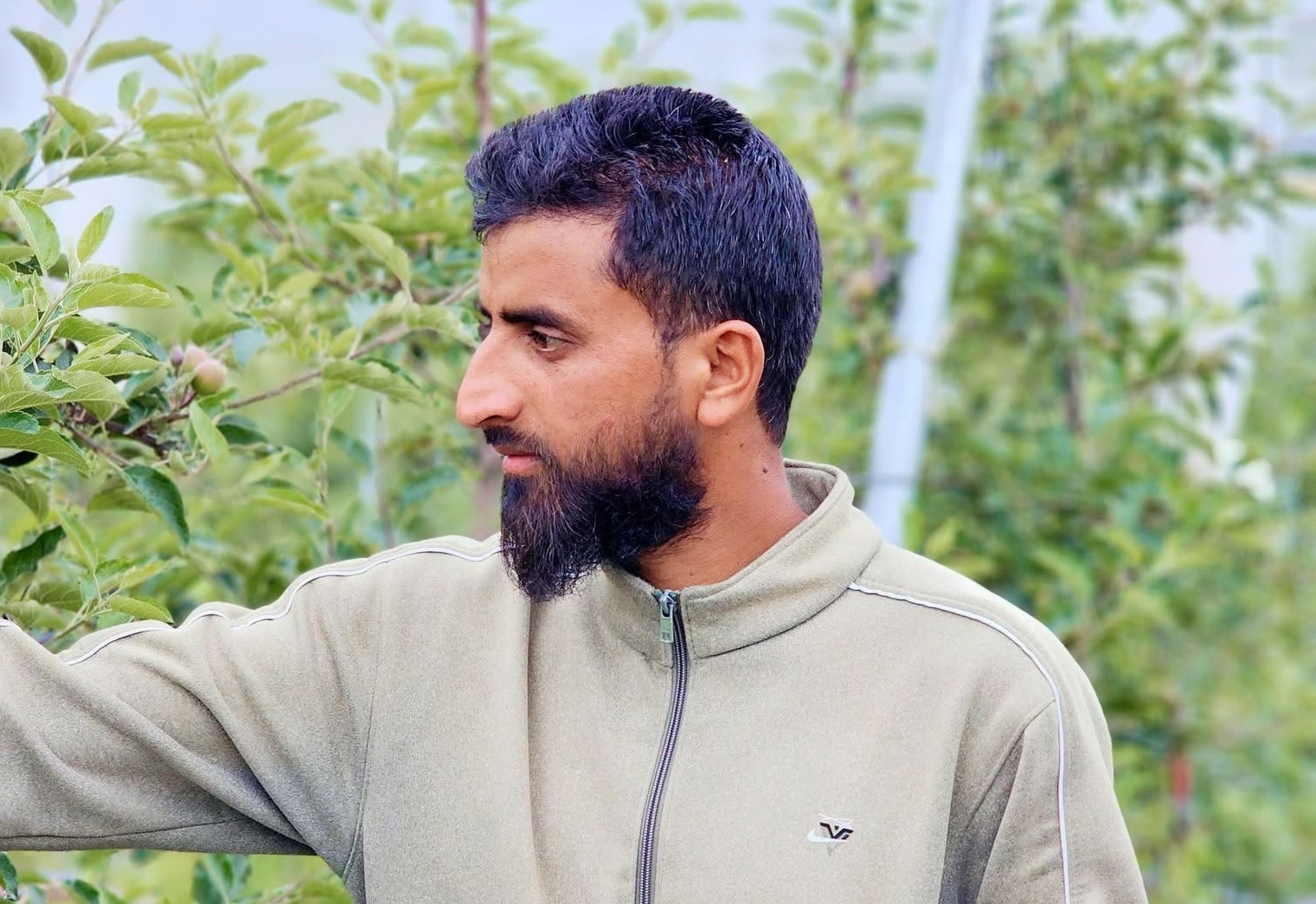
Mr. Tariq Ahmad Sheikh, a highly motivated postgraduate from Gund Nowpora village in Doru, Anantnag, aspired to build a meaningful career in agriculture by making productive use of his family's agricultural land. Although he possessed both education and land resources, he lacked the technical knowledge and direction needed to establish a profitable agricultural enterprise.
In the initial stages of his journey, Mr. Sheikh encountered several challenges that limited his growth. He had little exposure to modern horticultural practices, lacked expertise in fruit nursery raising, had limited access to quality planting material, and had no prior entrepreneurial experience. Moreover, he was largely unaware of government schemes and financial assistance available for agri-entrepreneurs. As a result, his farming activities generated only a modest annual income of around ₹2–3 lakh, leaving much of his potential untapped.
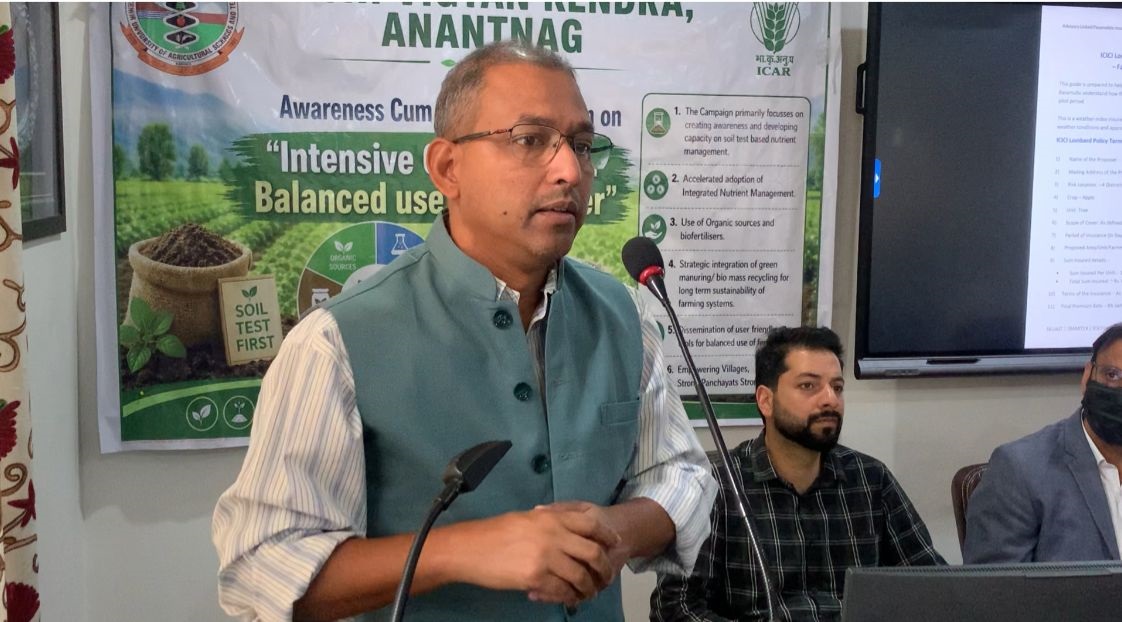
A turning point came when Mr. Sheikh began interacting with Krishi Vigyan Kendra (KVK) Anantnag, located close to his village. Encouraged by the scientists at the Kendra, he actively participated in various training programmes aimed at promoting scientific horticulture and entrepreneurship. Among these, a Skill Development Training Programme on Fruit Nursery Raising, organized under a NABARD-assisted project, proved to be a life-changing experience. The programme introduced him to modern nursery management techniques and revealed the tremendous business potential of producing quality planting material.
With continuous technical guidance and mentorship from KVK Anantnag, Mr. Sheikh developed the skills required to establish a high-density fruit nursery based on scientific production practices. By adopting modern propagation techniques and quality standards, he transformed his available resources into a successful horticultural enterprise capable of supplying healthy planting material to growers across the region.
Today, Shahabad HD Nursery stands as a successful example of how scientific training, entrepreneurial vision, and institutional support can unlock the potential of educated rural youth. Mr. Sheikh's journey demonstrates that with the right knowledge and determination, agriculture can become a profitable and sustainable enterprise while inspiring other young farmers to embrace modern horticulture and nursery entrepreneurship.