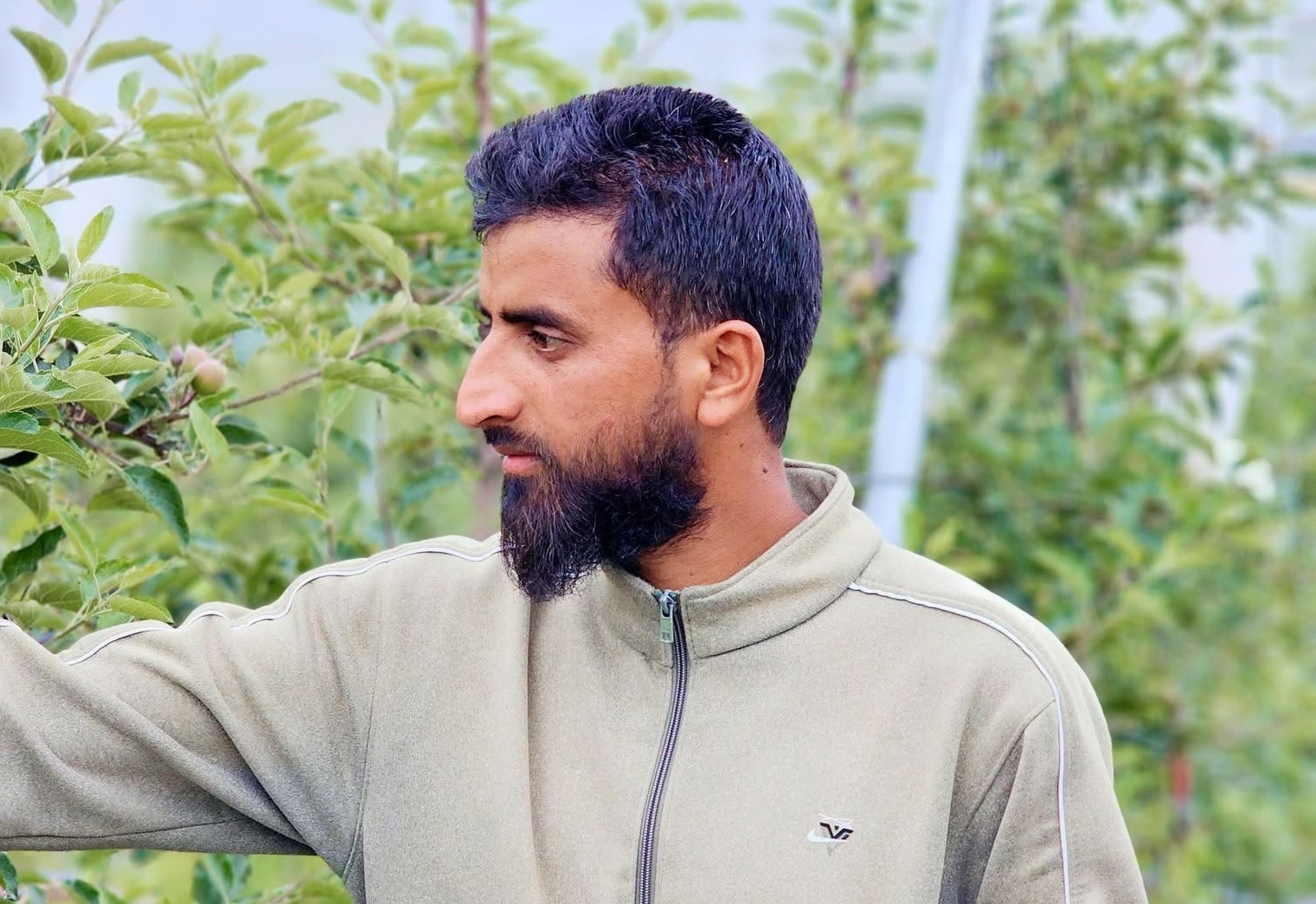
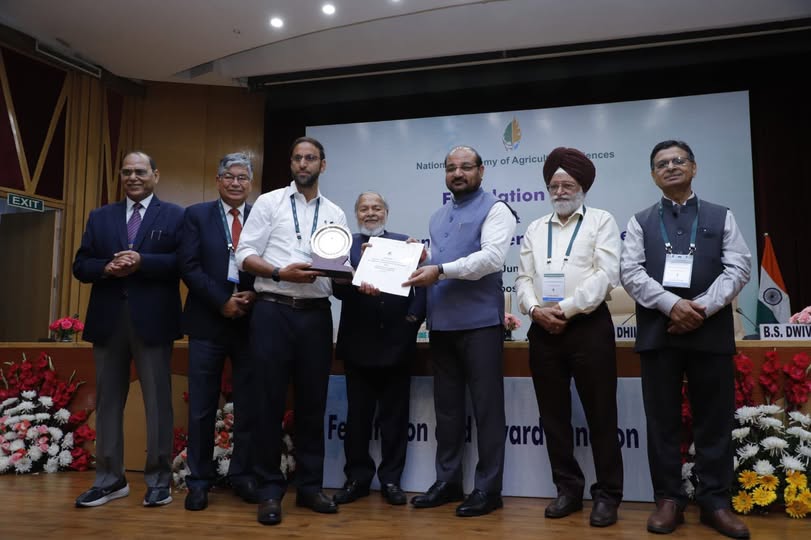
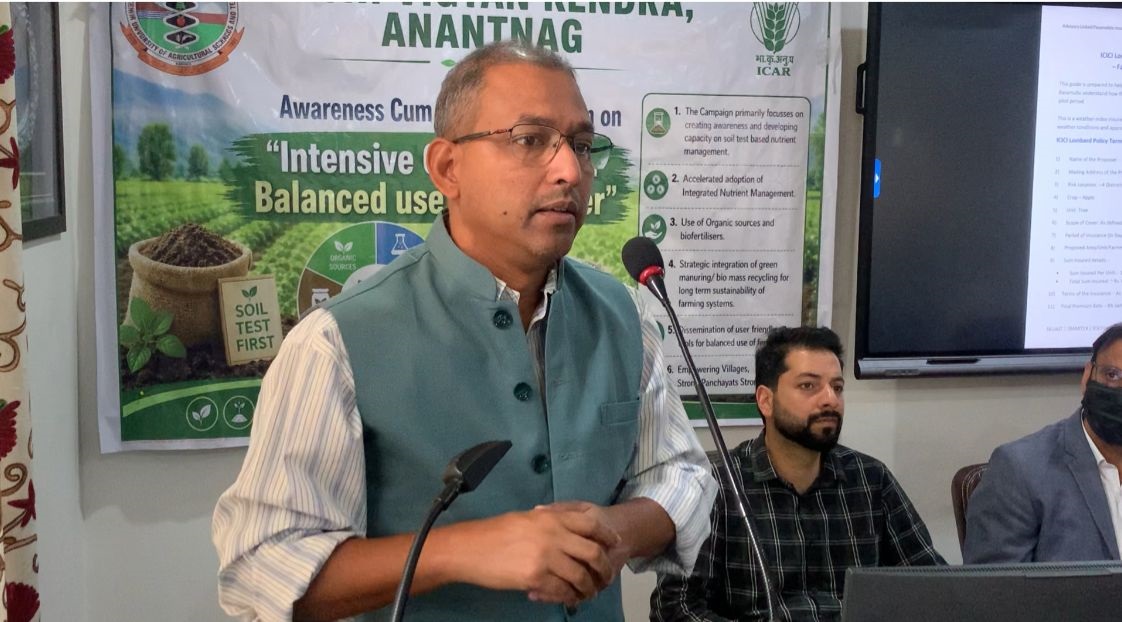
In the picturesque landscapes of South Kashmir, M/S Baba Farms has emerged as a shining example of resilience, innovation, and sustainable agriculture. Led by the visionary efforts of Mr. Baba, the enterprise demonstrates how determination, combined with scientific guidance and institutional support, can transform challenges into opportunities for growth and prosperity.
The journey was not without obstacles. In its early stages, the farm struggled with limited financial resources, inadequate technical knowledge, and uncertainty regarding the efficient integration of multiple farming enterprises. The shortage of quality fodder and raw materials, ineffective waste management practices, and limited awareness of modern composting technologies further constrained the farm's productivity and profitability.
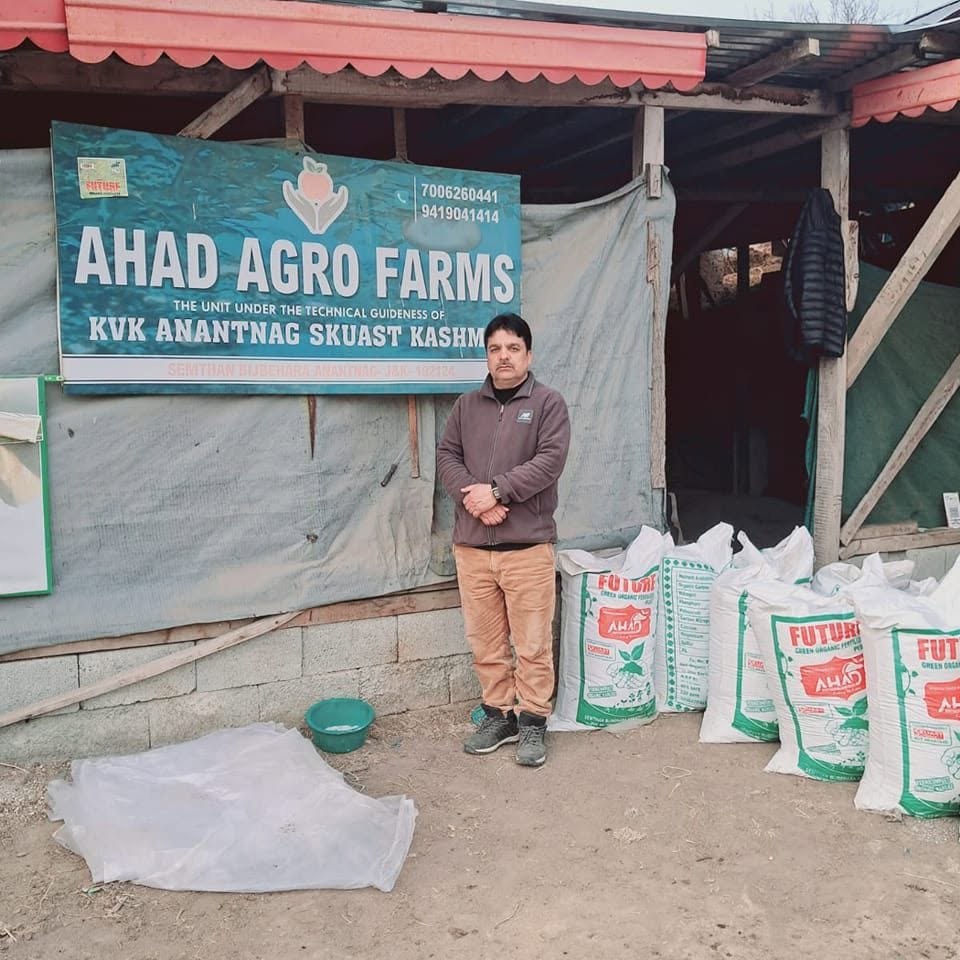
Rather than allowing these challenges to hinder his progress, Mr. Baba actively sought solutions and embraced a learning-oriented approach. Recognizing the importance of scientific farming practices, he established a close association with Krishi Vigyan Kendra (KVK) Anantnag, SKUAST-Kashmir, which became a vital partner in his journey toward sustainable agricultural development.
Learning Through Knowledge and Innovation
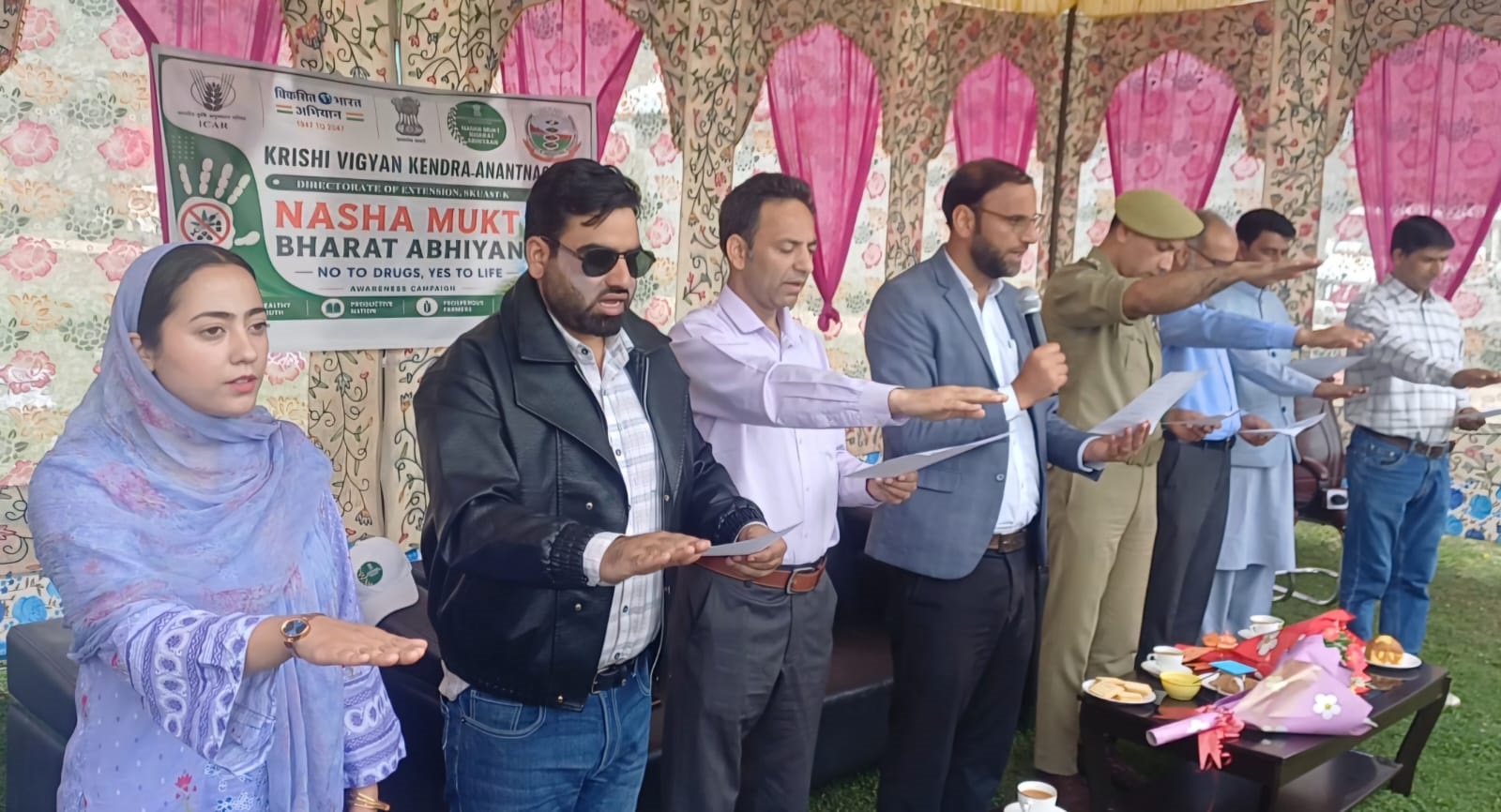
Mr. Baba regularly participated in training programmes, exposure visits, demonstrations, and capacity-building workshops organized by KVK Anantnag. These interventions provided practical insights into modern farming technologies, resource optimization, waste recycling, livestock management, and integrated farming practices.
Through continuous technical guidance and mentorship, he gained a deeper understanding of the Integrated Farming System (IFS) approach, which emphasizes the efficient integration of various farm enterprises to maximize productivity, profitability, and sustainability. Inspired by this concept, he gradually redesigned and diversified his farming operations to create a self-sustaining agricultural ecosystem.
Building a Sustainable Farm Model
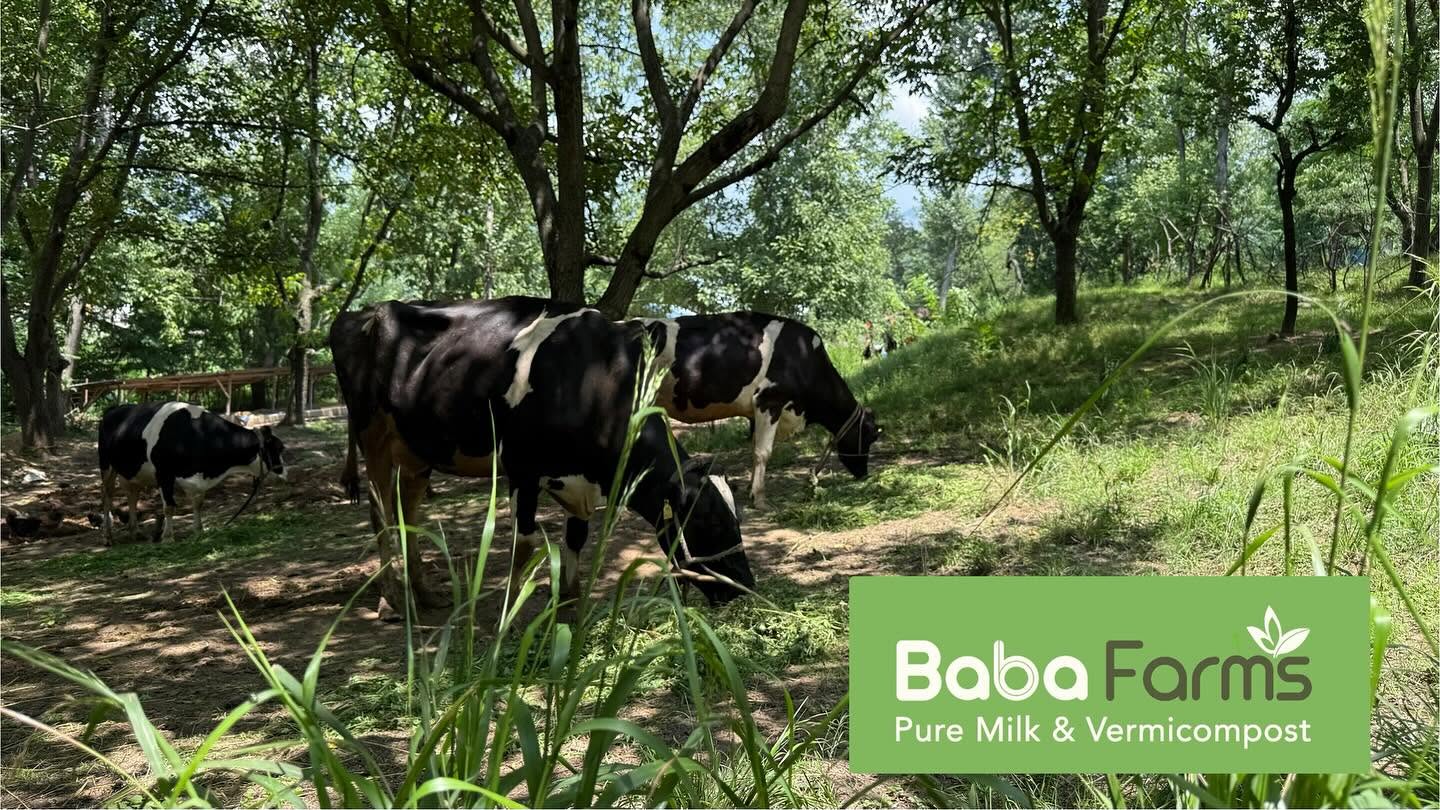
With support from KVK experts, M/S Baba Farms adopted a holistic approach where different farm components complemented one another. Crop residues and farm waste were effectively recycled into valuable organic inputs, improving soil health while reducing production costs. Livestock, fodder production, nutrient recycling, and composting activities were integrated to create a circular farming model that minimized waste and enhanced resource efficiency.
The enterprise also benefited from guidance on government support mechanisms. Encouraged by KVK Anantnag, Mr. Baba explored various schemes and incentives available under the Holistic Agriculture Development Programme (HADP) and other agriculture and allied sector initiatives. These opportunities enabled him to strengthen farm infrastructure, improve productivity, and expand the scope of his agricultural activities.
Transforming Challenges into Opportunities
Today, M/S Baba Farms stands as a successful demonstration of integrated and climate-resilient agriculture. The farm has achieved:
Improved resource utilization through integrated farming practices.
Enhanced soil fertility through composting and nutrient recycling.
Better fodder availability and livestock management.
Reduced production costs through efficient waste management.
Increased farm income through diversification of enterprises.
Greater sustainability and resilience against market and environmental challenges.
A Model for Future Farmers
The success of M/S Baba Farms highlights the transformative power of knowledge, innovation, and institutional support. By embracing scientific agriculture and continuously upgrading his skills, Mr. Baba has built a farm that not only generates sustainable income but also serves as an inspiration for aspiring farmers across the region.
His journey demonstrates that with the right guidance, access to technology, and a willingness to learn, even the most challenging circumstances can be converted into opportunities for growth and success.
Cultivating Sustainability, Creating Prosperity
M/S Baba Farms is more than a tale of agricultural success—it is a testament to the impact of Integrated Farming Systems in creating economically viable, environmentally sustainable, and socially beneficial farming enterprises. Through perseverance and partnership with KVK Anantnag, SKUAST-Kashmir, Mr. Baba has laid the foundation for a model farm that continues to inspire and empower the farming community.